The Immediate Steps After a Hit and Run
Being struck by a driver who flees the scene adds insult to injury. Your first priority remains your health. Call emergency services and seek medical attention even if injuries seem minor. The adrenaline rush after an accident masks symptoms that may worsen over hours or days.
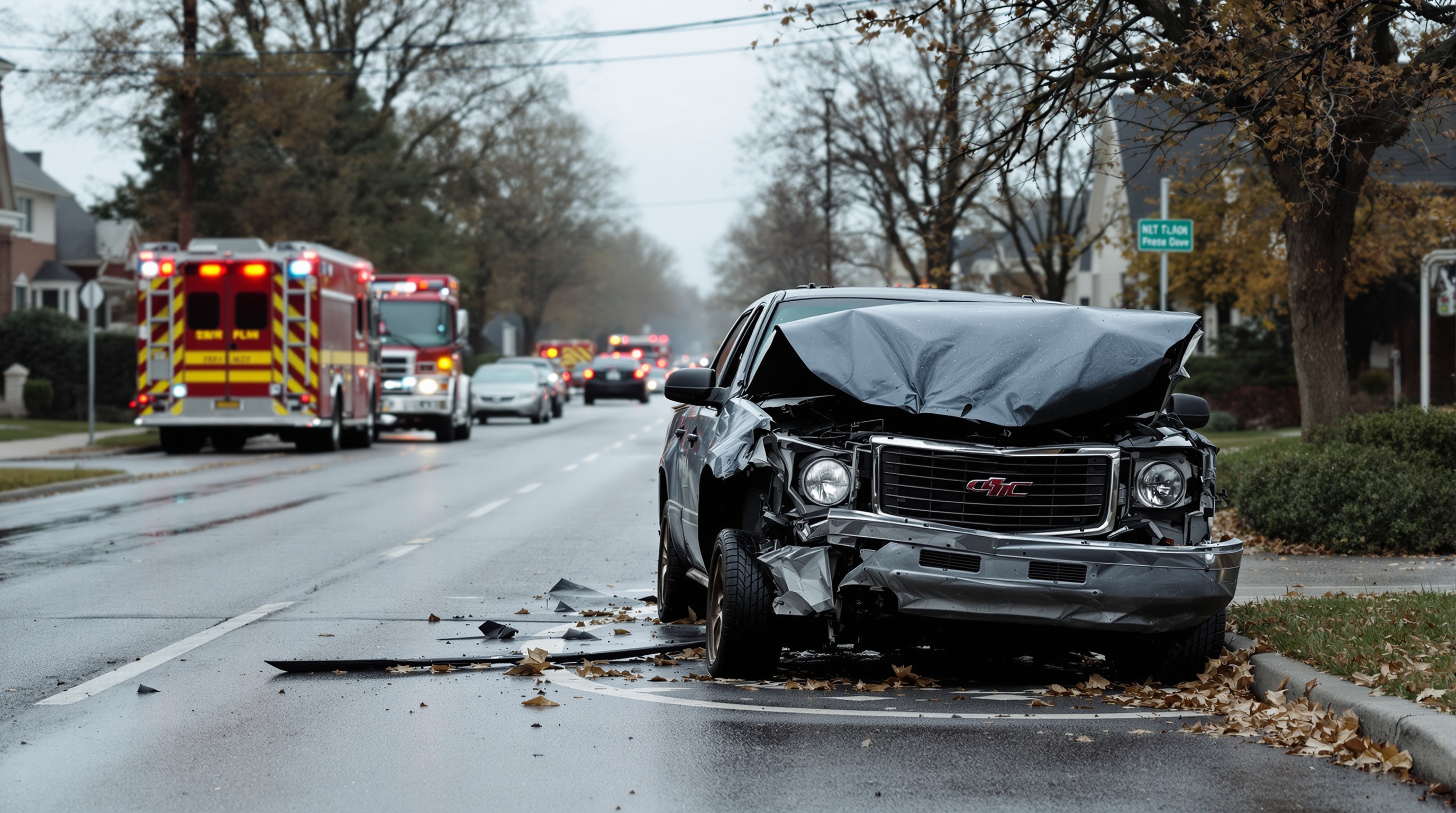
While at the scene, gather as much information as possible. Note the fleeing vehicle's make, model, color, and any portion of the license plate you observed. Look for witnesses who may have seen more details or captured the accident on dashcam or phone video. Photograph damage to your vehicle, skid marks, debris, and the surrounding area. Even minimal details help police identify the perpetrator.
Uninsured Motorist Coverage Is Critical
Uninsured motorist coverage on your own auto policy is your primary protection after a hit and run. UM coverage steps into the shoes of the missing at-fault driver and pays for your bodily injury damages up to the policy limits. This coverage is optional in some states but should be considered mandatory by every driver.
To access UM coverage for a hit and run, you must generally report the accident to police promptly and provide evidence that contact occurred with another vehicle. Some insurers require physical contact rather than phantom vehicle scenarios where the other driver caused you to crash without actually hitting your vehicle. Review your policy language carefully.
Crime Victim Compensation Funds
Most states maintain crime victim compensation funds that provide limited reimbursement for medical expenses, lost wages, and funeral costs to victims of violent crimes including hit and run accidents. These funds are payer of last resort, meaning they apply only after other insurance is exhausted. Benefits are capped and do not cover pain and suffering or property damage.
To access crime victim funds, you typically must report the crime to police, cooperate with the investigation, and file an application within a specified time frame. An attorney can assist with the application process and ensure you receive every benefit available.
Medical Payments and Health Insurance
Medical payments coverage on your auto policy can cover immediate medical expenses regardless of fault while the broader claim is being resolved. Your health insurance provides secondary coverage once MedPay limits are exhausted. Keep all medical bills and insurance communications organized, as these expenses form part of your ultimate recovery.
When the Driver Is Found
If police identify the hit and run driver, you can pursue a claim against their liability insurance or personal assets. Criminal prosecution of the driver supports your civil case and may result in restitution orders. However, many hit and run drivers lack insurance or meaningful assets, making your own UM coverage the most reliable source of recovery.
An attorney can help coordinate between your insurance company, the police investigation, and any criminal proceedings. They can also ensure that your UM insurer does not undervalue your claim simply because you are making a claim against your own policy rather than a third party.